Astro 7.0 Arrives: Rust Rewrites, Rolldown, and the Dawn of AI-Native Web Development
Astro 7.0 has officially launched with a massive performance overhaul. Featuring a new Rust-powered compiler, Sätteri Markdown processing, Vite 8 integration with Rolldown, and advanced AI-agent developer tooling, this release delivers build speeds up to 61% faster.

Astro 7.0 Arrives: Rust Rewrites, Rolldown, and the Dawn of AI-Native Web Development
The Astro team has officially released Astro 7.0, and this milestone upgrade is entirely focused on performance, modular architecture, and modern developer workflows [1]. By migrating critical bottlenecks to native Rust code and introducing deep integrations with cutting-edge bundlers, Astro 7.0 delivers build speeds that are 15% to 61% faster than its predecessor [1].
From rewritten compilers to innovative developer tools designed for AI agents, here is everything you need to know about the massive changes in Astro 7.0 [1].
The Rust Revolution: Native Speeds Under the Hood
To solve the scaling issues faced by massive content sites, Astro 7.0 shifts slow build phases into highly optimized, native Rust code [1].
1. A Brand-New Rust Compiler
The core .astro component compiler has been completely rewritten in Rust, replacing the previous Go-based compiler [1]. Built on top of oxc for parsing and Lightning CSS for scoping, this new compiler introduces strict, modern behaviors [1]:
- No HTML Auto-Correction: The old compiler silently modified invalid markup, leading to hard-to-debug layout bugs [1]. The Rust compiler treats markup as-is [1].
- JSX Strictness: Unclosed tags or unterminated attributes now trigger immediate compiler errors [1].
- JSX Whitespace Handling: Whitespace between components is collapsed following standard JSX conventions [1].
2. Sätteri: The New Markdown Pipeline
Historically, processing thousands of Markdown files via a JavaScript-based unified (remark/rehype) pipeline was the slowest phase of Astro builds [1]. Astro 7.0 introduces Sätteri—a native Rust-powered Markdown and MDX processor—as the default engine [1]. Built using pulldown-cmark and oxc, Sätteri natively handles GitHub Flavored Markdown (GFM), math, frontmatter, and container directives without requiring separate, slow JavaScript plugins [1].
Vite 8 & Rolldown: Next-Gen Bundling
Astro 7.0 ships with Vite 8, which introduces Rolldown [1]. Rolldown is a new Rust-based bundler designed to replace both esbuild and Rollup with a single, unified toolchain [1]. Because Rolldown supports the same plugin APIs as Rollup, developers get 10x to 30x faster bundling speeds with virtually zero configuration changes [1].
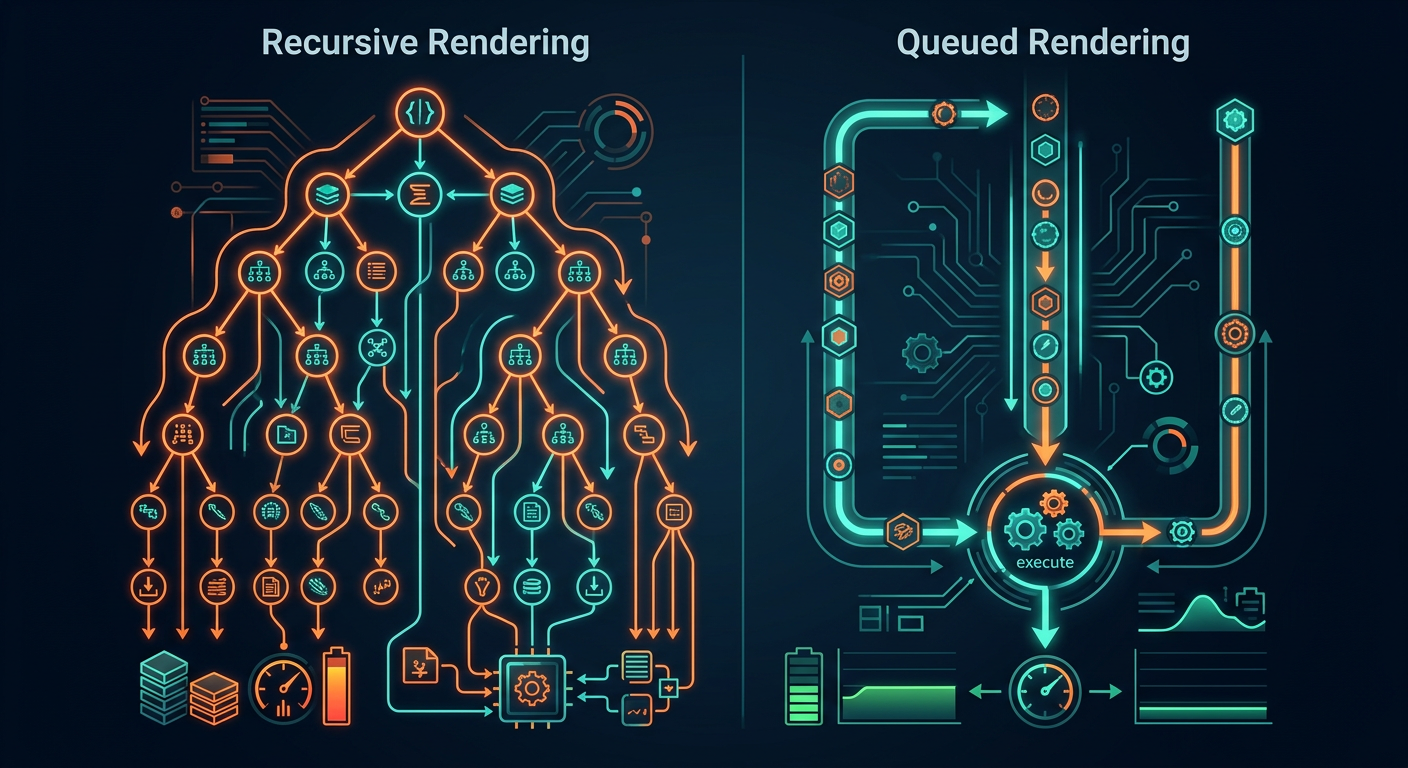
Queued Rendering Engine
Rather than utilizing a recursive approach to render components into HTML, Astro 7.0 stabilizes its Queued Rendering engine [1]. By replacing recursion with an iterative queue-based stack loop, Astro avoids deep call stacks and dramatically lowers memory consumption, resulting in render times that are roughly 2.4× faster [1].
Advanced Routing, Route Caching, and CDN Providers
Astro 7.0 gives developers unprecedented control over the server request pipeline with the introduction of a central src/fetch.ts entry point [1]. Adopting the standard fetch handler pattern, this allows developers to intercept requests, run native Hono middleware, or inject authentication checks exactly where they belong [1].
Furthermore, Route Caching is now stable, allowing developers to set declarative caching directives directly inside routes using Astro.cache [1]:
// src/pages/products/[id].astro
---
Astro.cache.set({
  maxAge: 120, // Cache for 2 minutes
  swr: 60,     // Serve stale for 1 minute while revalidating
  tags: ['products'],
});
---
These directives can be paired with new, experimental CDN Cache Providers for Netlify, Vercel, and Cloudflare, which push your caching straight to the edge network so servers are bypassed entirely for cached hits [1].
AI-Native Developer Tooling
Recognizing the rise of AI coding agents, Astro 7.0 is the first major framework to ship native accommodations for machine developers [1]:
- Background Dev Server (
astro dev --background): AI agents often struggle with long-running CLI processes, leaving behind zombie servers [1]. The new background flag launches a detached, managed process, complete with status checks and idempotency [1]. - JSON Logging: Machine-readable logs can now be output as structured JSON objects, allowing AI agents (and production log aggregators like Grafana or Datadog) to instantly parse errors and feedback [1].
Getting Started
To upgrade your current project to Astro 7.0, run the automated migration tool [1]:
npx @astrojs/upgrade


Get the wire in your inbox
Every new signal, straight from the generator. No noise, unsubscribe anytime.