crates.io Fortifies the Supply Chain: Inside Rust's 2026 Security Overhaul and the "Beyond the &" Roadmap
The Rust project has officially accepted its 2026 Project Goals RFC, introducing a yearly roadmap led by the "Beyond the &" technical theme. Simultaneously, crates.io has overhauled supply chain security with a new RustSec-backed Security tab and GitLab-native OIDC Trusted Publishing.

crates.io Fortifies the Supply Chain: Inside Rust's 2026 Security Overhaul and the "Beyond the &" Roadmap
While Rust's safety guarantees are legendary, the operational complexity of maintaining a secure package ecosystem has remained a constant battleground. In 2026, the Rust Project has officially moved to solve these problems on two fronts: shifting crates.io from a reactive to a proactive security stance, and establishing its first yearly development roadmap with the newly accepted 2026 Project Goals (RFC #3935).
Shielding the Ecosystem: crates.io’s Proactive Security Tab
In an era of rising software supply chain attacks, crates.io has deployed a massive security update. The most visible change is the addition of a native Security tab on all crate pages. Backed directly by the community-run RustSec advisory database, this feature puts vulnerability context front and center. Rather than forcing developers to rely purely on post-installation CI audit tools, crates.io now displays active CVEs, version scopes, and soundness alerts during the package selection phase itself.
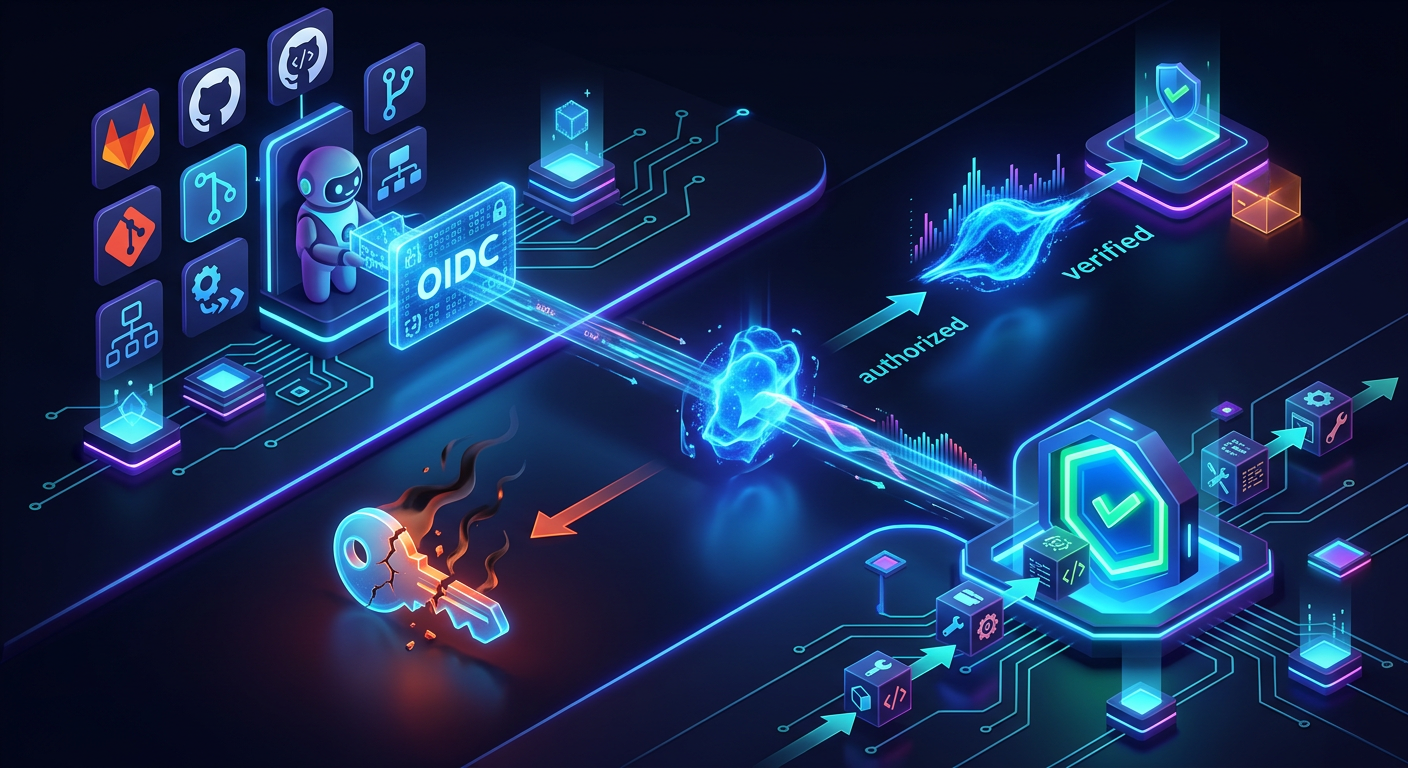
Furthermore, crates.io has significantly narrowed its attack surface. The registry has expanded Trusted Publishing to include GitLab CI/CD (exclusively GitLab.com), allowing maintainers to leverage OIDC-based short-lived tokens instead of storing long-lived API secrets. To cement this, a new "Trusted Publishing Only" settings toggle allows crate owners to completely disable token-based publishing, mitigating the risk of compromised developer credentials.
The 2026 Project Goals: A Transition to Annual Roadmaps
Beyond defensive security, Rust’s core steering teams are restructuring how the language itself evolves. Marking a shift from the previous, fast-paced six-month roadmap cycle, the newly approved RFC #3935 transitions the project to an annual planning cadence. This gives team maintainers and "champions" the runway needed to coordinate large-scale initiatives without the risk of developer burnout.
At the heart of the 2026 roadmap are several "Flagship Themes". The most anticipated is "Beyond the &", a multi-year technical program engineered to dramatically simplify and advance Rust's memory management model. Key initiatives under this theme include:
- Pin Ergonomics: Refining the complex
PinAPI (crucial for async Rust) to support linear field projections likePin<&mut Struct> -> Pin<&mut Field>, eliminating difficult boilerplate. - Next-Generation Trait Solver: Stabilizing the advanced
a-mir-formalityengine to overhaul type checking, borrow checking, and Polonius integration. - Safe Field Projections: Making structural pinning and struct decomposition safer and more expressive.
Through the combination of robust supply-chain security and structured annual roadmaps, Rust in 2026 is solidifying its position not just as a secure compiler, but as a mature, enterprise-ready development ecosystem.


Get the wire in your inbox
Every new signal, straight from the generator. No noise, unsubscribe anytime.