GPT-5.6 Unveiled: OpenAI Launches Sol, Terra, and Luna Under U.S. Government Review
OpenAI has launched its next-generation GPT-5.6 family, debuting a tiered cosmic naming system with Sol, Terra, and Luna. However, a historic intervention by the U.S. government has forced a staggered, highly restricted preview, sparking a massive public pushback from the AI giant.
Key takeaways
- • OpenAI has launched its next-generation GPT-5.6 family, debuting a tiered cosmic naming system with Sol, Terra, and Luna
- • However, a historic intervention by the U.S
- • government has forced a staggered, highly restricted preview, sparking a massive public pushback from the AI giant
GPT-5.6 Unveiled: OpenAI Launches Sol, Terra, and Luna Under U.S. Government Review
In a dramatic turn of events, OpenAI has officially launched its next-generation flagship AI family, GPT-5.6. However, the technology is making headlines as much for its state-of-the-art capabilities as it is for the geopolitics surrounding its release.
At the direct request of the U.S. government, OpenAI has bypassed its traditional global rollout in favor of a highly restricted, staggered preview. This unprecedented step has sparked a public clash, with OpenAI openly criticizing federal gatekeeping.
The Cosmic Tier Shift: Sol, Terra, and Luna
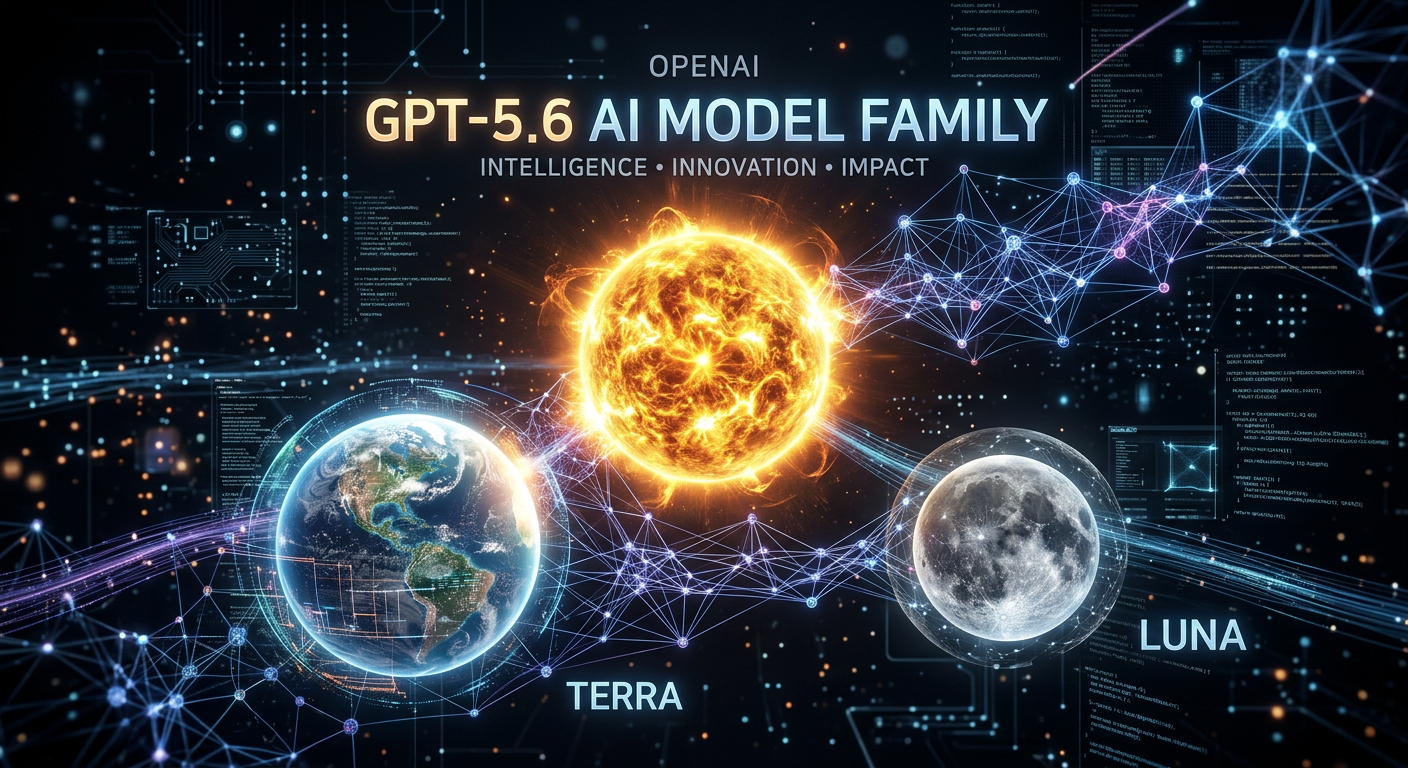
OpenAI is retiring its incremental decimal naming structure. Moving forward, the GPT number will identify the model’s generation, while three durable, cosmic-themed tiers will define price and capability:
- Sol (The Flagship): Engineered for frontier reasoning, advanced coding, and cybersecurity research. Priced at $5.00 input / $30.00 output per million tokens.
- Terra (The Workhorse): Balances strong performance with efficiency, offering GPT-5.5-level capabilities at half the cost ($2.50 input / $15.00 output).
- Luna (The Lightweight): Built for blistering speed and high-volume, routine automation at a highly affordable $1.00 input / $6.00 output.
This design pivot allows developers to seamlessly navigate speed, intelligence, and budget constraints under a single model family.
"Max" Reasoning and the Debut of "Ultra" Mode
For technical workloads, GPT-5.6 Sol introduces two groundbreaking reasoning paradigms. First, a new "Max" reasoning effort setting allows Sol to spend significantly more time thinking deeply through highly complex math, logic, and scientific queries.
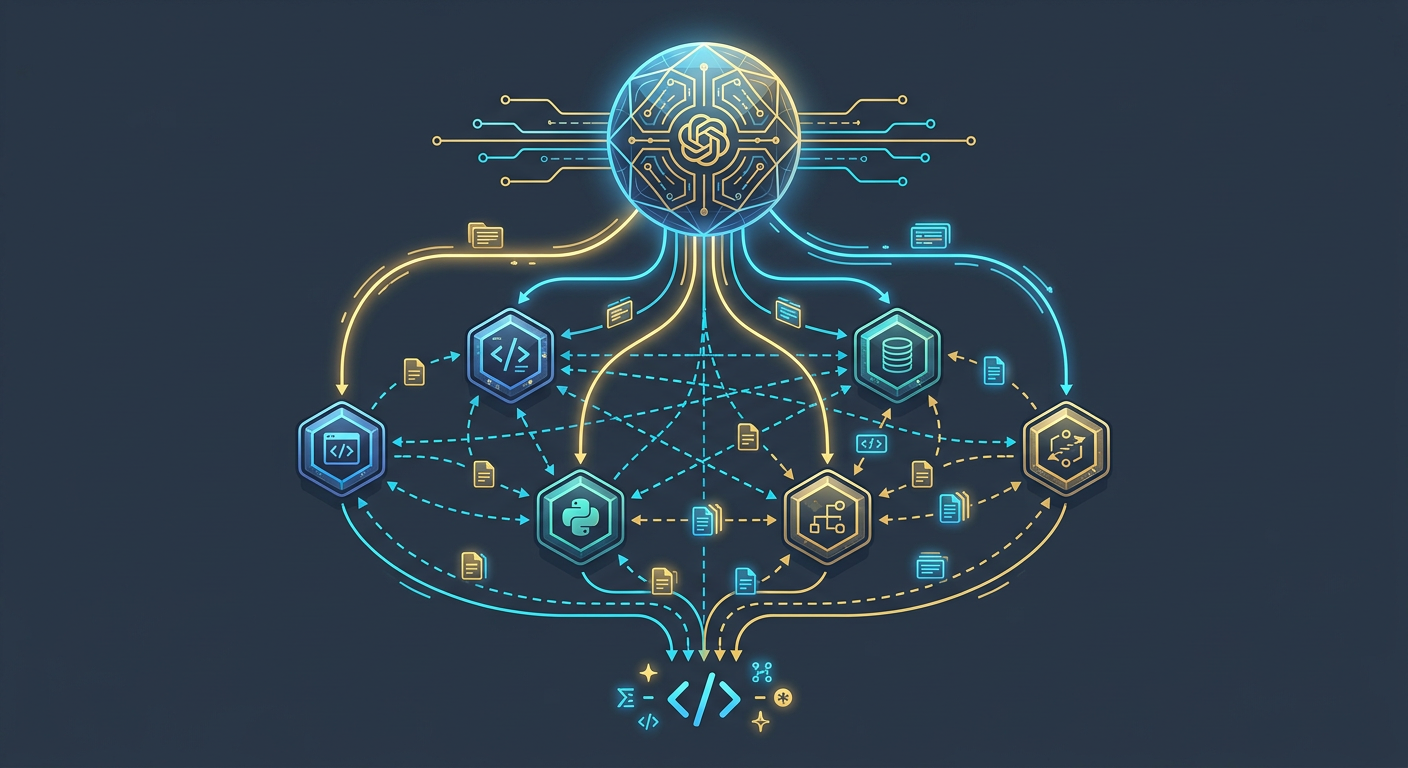
Second, Sol introduces "Ultra" mode, which shatters the single-agent paradigm. Under Ultra, Sol acts as a master coordinator, autonomously spawning multiple specialized sub-agents to run parallel diagnostic tests, cross-examine code, or execute complex command-line workflows. In early evaluations, Sol established new state-of-the-art records on Terminal-Bench 2.1 (testing command-line agency) and GeneBench v1 (long-horizon genomics).
The Washington Friction: Staggered Deployment
Despite the technical leap, the defining story of the GPT-5.6 launch is its gatekeeping. Under a recent Executive Order, the Trump administration requested a "limited preview" rather than a broad public release.
This caution is a direct response to Sol's "High" classification for cybersecurity and biological risks. While Sol is exceptionally proficient at finding and patching vulnerabilities, Washington remains deeply concerned that its reasoning capabilities could be co-opted for advanced cyberwarfare.
OpenAI complied with the restriction, making the models initially available to only about 20 trusted partners. However, the company publicly signaled its dissatisfaction. In its launch announcement, OpenAI stated:
“We don’t believe this kind of government access process should become the long-term default. It keeps the best tools from users, developers, enterprises, cyber defenders, and global partners who need them.”
As the AI arms race intensifies, the tension between corporate velocity and state-level regulation has officially reached its boiling point.
Tags
Grounded sources & citations
What to read next
The $35B AI XPV Alliance: How Private Credit and Custom Silicon Are Bypassing Nvidia
No More Hand-Me-Downs: How Microsoft’s MAI-Thinking-1 Kills the OpenAI Dependency
The Nobel Defection: Why John Jumper’s Move to Anthropic Signals the Dawn of Autonomous Science AI
Enjoyed this? Get the next one
Subscribe to the newsletter and the next playbook lands in your inbox — no spam, unsubscribe anytime.