
Rebuilding the Read Layer: Inside Solana’s RPC 2.0 Decoupling and the Anchor v1.0.0 Era
Solana's developer ecosystem is undergoing its most radical infrastructure overhaul yet with the rollout of RPC 2.0, completely decoupling the read layer from the validator client. Paired with the highly anticipated stable release of Anchor v1.0.0, Solana is streamlining developer workflows by shedding legacy technical debt.
Key takeaways
- • Solana's developer ecosystem is undergoing its most radical infrastructure overhaul yet with the rollout of RPC 2.0, completely decoupling the read layer from the validator client
- • Paired with the highly anticipated stable release of Anchor v1.0.0, Solana is streamlining developer workflows by shedding legacy technical debt

Rebuilding the Read Layer: Inside Solana’s RPC 2.0 Decoupling and the Anchor v1.0.0 Era
The Monolith Fractures
For years, the Solana Virtual Machine (SVM) has wrestled with an awkward architectural bottleneck. While execution and consensus speeds soared, the read layer remained stubbornly coupled to the core validator software. Every balance lookup, token search, and historical transaction query on Solana had to be routed through the Agave client, forcing consensus engines and developer queries to share the same resources. Under peak network traffic, this monolithic approach led to high server maintenance costs, data bottlenecks, and constrained query APIs.
That paradigm is officially dead. Triton One, Helius, Anza, Jupiter, and the Solana Foundation have officially initiated the phased rollout of RPC 2.0, a complete architectural rewrite designed to decouple reads from the validator entirely.
Old Monolithic RPC Architecture:
+--------------------------------------------+
|             Agave / Validator              |
|  [ Consensus ]  [ Execution ]  [ Reads ]   | <--- Resource Bottleneck
+--------------------------------------------+

RPC 2.0 Decoupled Architecture:
+--------------------------------------------+
|             Agave / Validator              |
|         [ Consensus ]  [ Execution ]       |
+----------------------+---------------------+
                       | (Real-time Stream via gRPC)
                       v
+----------------------+---------------------+
|                  RPC 2.0                   |
|  [ Cloudbreak (Accounts) ]                 | <--- Modular, Independent Scale
|  [ Superbank (Ledger)    ]                 |
+--------------------------------------------+
The Dual-Engine Read Revolution
Instead of squeezing analytical operations into block production software, RPC 2.0 moves read operations to a purpose-built, modular external pipeline. Managed under a neutral, open-source AGPL repository overseen by the Solana Foundation, RPC 2.0 splits the data-access layer into two dedicated pipelines:
- Cloudbreak (The Accounts Engine): An adaptive indexing engine built to manage the network’s current state. It dynamically builds database indexes based on real-time query traffic, allowing developers to scope queries to specific smart programs and access account states with near-zero latency.
- Superbank (The Ledger Engine): A columnar database designed to manage everything since Solana's genesis block. Built on optimized ClickHouse database schemas, Superbank serves historical transaction queries in milliseconds, avoiding the expensive, slow, and proprietary BigTable setups of previous eras.
This decoupling means that even if a wild NFT mint or memecoin frenzy stresses the network's consensus layer, the read engines continue to serve data seamlessly without degrading validator performance.
Anchor v1.0.0: The Paradigm Shift in SVM Coding
Compounding this infrastructure leap is the release of Anchor v1.0.0, the very first stable major release of Solana's dominant program development framework.
For developers, Anchor 1.0 represents a clean break from legacy friction. The most significant update is the complete elimination of the Solana CLI dependency. Programmers no longer need to wrestle with matching local Solana CLI binary versions with Anchor's compilation engine.

Furthermore, Anchor v1.0.0 introduces Surfpool and LiteSVM as the default local testing validators. Developers can now run lightning-fast tests on a lightweight SVM emulator directly from their laptops, reducing testing times from minutes to a fraction of a second. Additionally, duplicate mutable accounts are now strictly rejected by default, preventing a common class of security vulnerabilities before contracts ever touch the mainnet.
A New Standard for Solana's Future
Through the synergistic release of RPC 2.0 and Anchor v1.0.0, Solana is transitioning from an optimized speed-focused experimental ledger into a mature, enterprise-grade developer platform. By removing the technical debt of its early monolithic years, the SVM is quietly establishing itself as the most reliable, developer-friendly backend on the decentralized web.
Tags
Grounded sources & citations
What to read next

The Sovereign Back-End: Inside Solana’s Dual Conquest of Enterprise Finance and the AI Agent Economy

The South Korean Conquest: How Toss Bank and KG Inicis Are Re-Engineering Retail Commerce on Solana
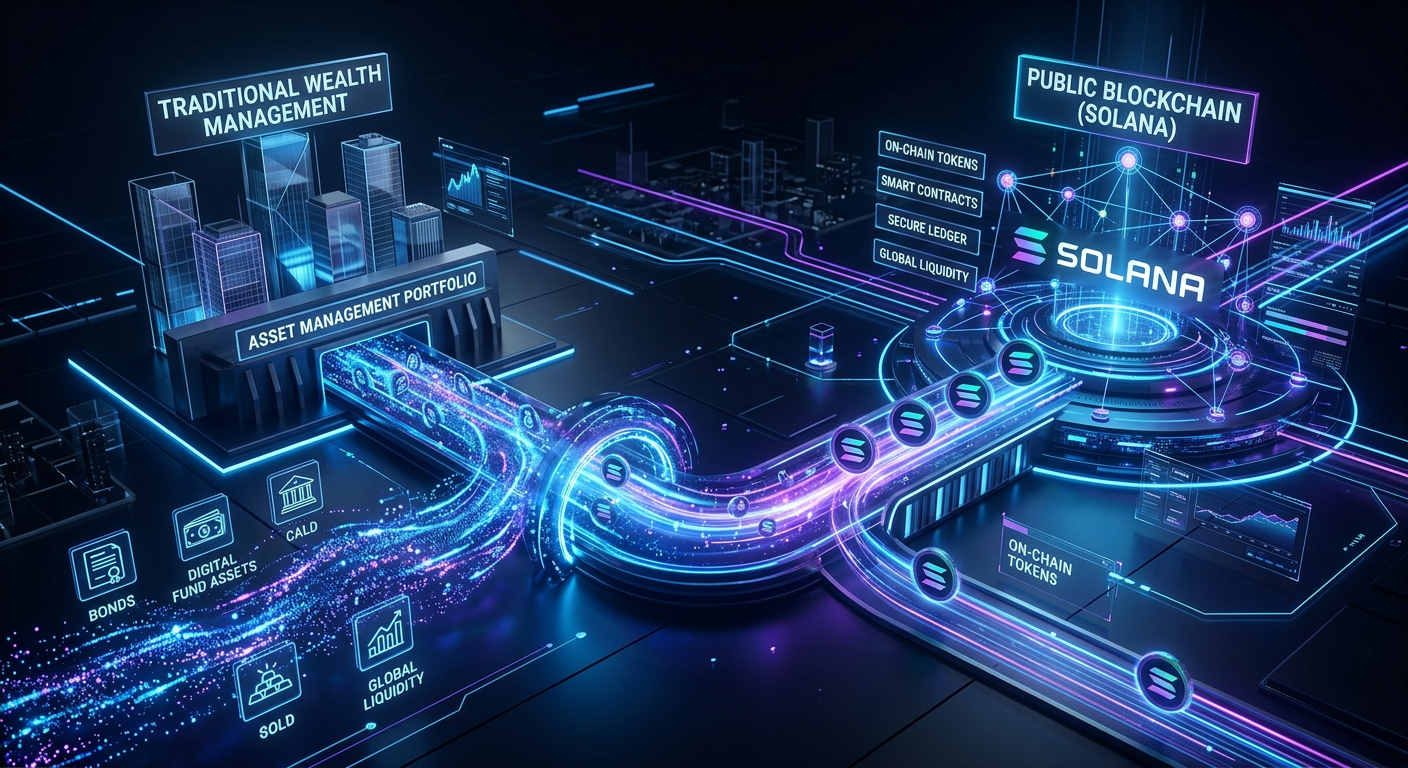
Project Harmonia: €1.8T WealthTech Giant Allfunds Brings Tokenized Funds to Solana
Enjoyed this? Get the next one
Subscribe to the newsletter and the next playbook lands in your inbox — no spam, unsubscribe anytime.