
Show and Tell: How Apple’s Massive Lawsuit Exposes the Corporate Espionage and Security Bugs Behind OpenAI's Hardware Dream
Apple has filed a explosive federal lawsuit against OpenAI, alleging a coordinated, systematic campaign to steal proprietary hardware designs and supply chain secrets. Beyond poaching 400+ employees, the complaint exposes jaw-dropping tactics, including physical "show and tell" interviews with iPhone parts and a post-exit authentication exploit.
Key takeaways
- • Apple has filed a explosive federal lawsuit against OpenAI, alleging a coordinated, systematic campaign to steal proprietary hardware designs and supply chain secrets
- • Beyond poaching 400+ employees, the complaint exposes jaw-dropping tactics, including physical "show and tell" interviews with iPhone parts and a post-exit authentication exploit
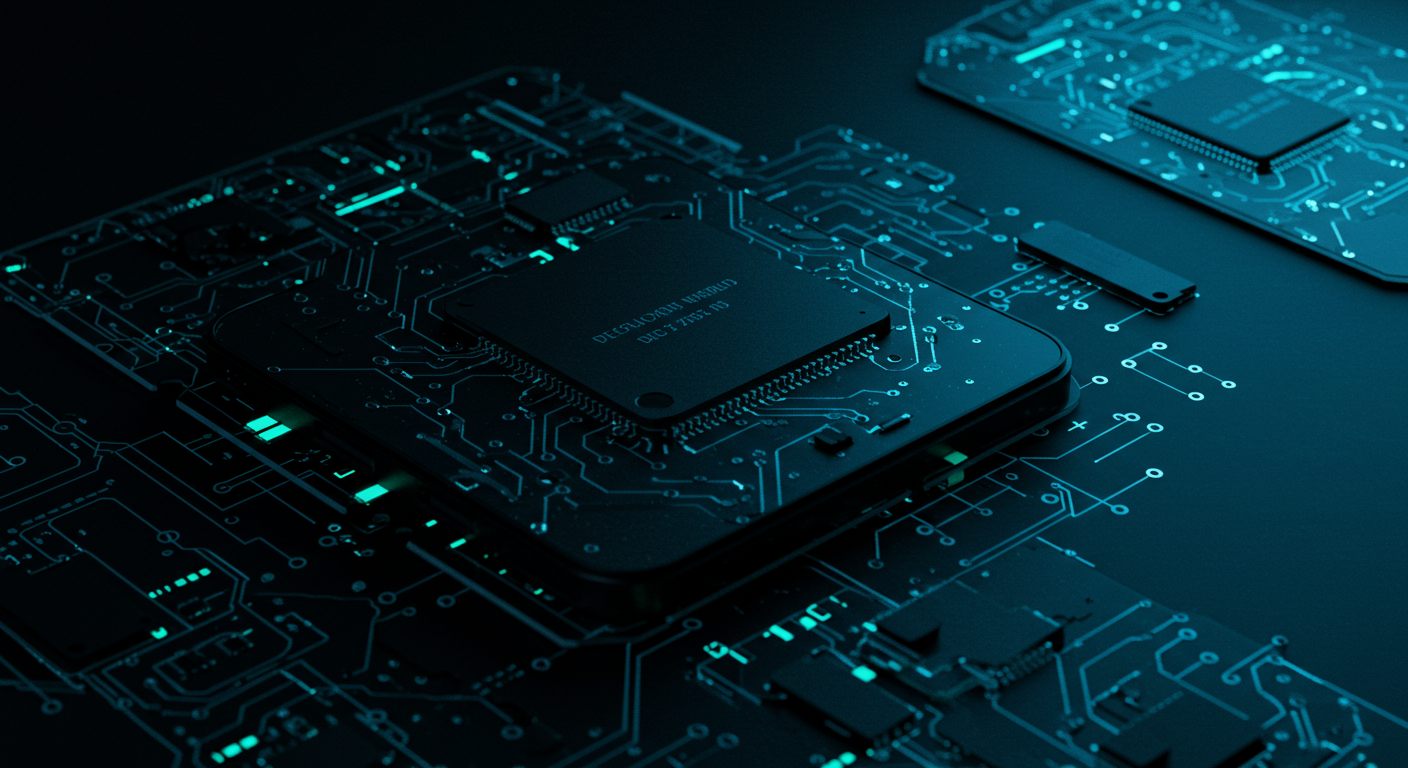
Show and Tell: How Apple’s Massive Lawsuit Exposes the Corporate Espionage and Security Bugs Behind OpenAI's Hardware Dream
The corporate romance of the decade is officially dead. Just two years after integrating ChatGPT directly into Apple Intelligence, Apple has filed an explosive 40-page federal lawsuit in the Northern District of California against its former close partner, OpenAI.
The complaint outlines a dizzying corporate espionage campaign, accusing the AI startup of systematically poaching more than 400 former Apple employees and utilizing jaw-dropping, highly coordinated methods to siphon off decades of proprietary hardware secrets.
According to Apple, OpenAI’s burgeoning hardware division—which was jump-started by acquiring Jony Ive's hardware startup, io Products, for over $6 billion—is "rotten to its core" and built entirely on stolen foundations.
The Masterminds: Tang Tan and the "Show and Tell" Interviews
At the heart of Apple’s lawsuit is Tang Tan, OpenAI's Chief Hardware Officer. A 24-year veteran at Apple who previously served as VP of Product Design for the iPhone and Apple Watch, Tan is accused of using his insider knowledge to actively pillage Apple's talent and IP.
The lawsuit details Tan's interview tactics, which read like something out of a heist film. Apple alleges that Tan directed Apple employees interviewing at OpenAI to bring "actual parts"—such as system-in-package modules, batteries, and logic boards—to physical interviews for literal "show and tell" sessions. During these sessions, OpenAI teams reportedly grilled candidates on Apple's unreleased designs and confidential manufacturing techniques.
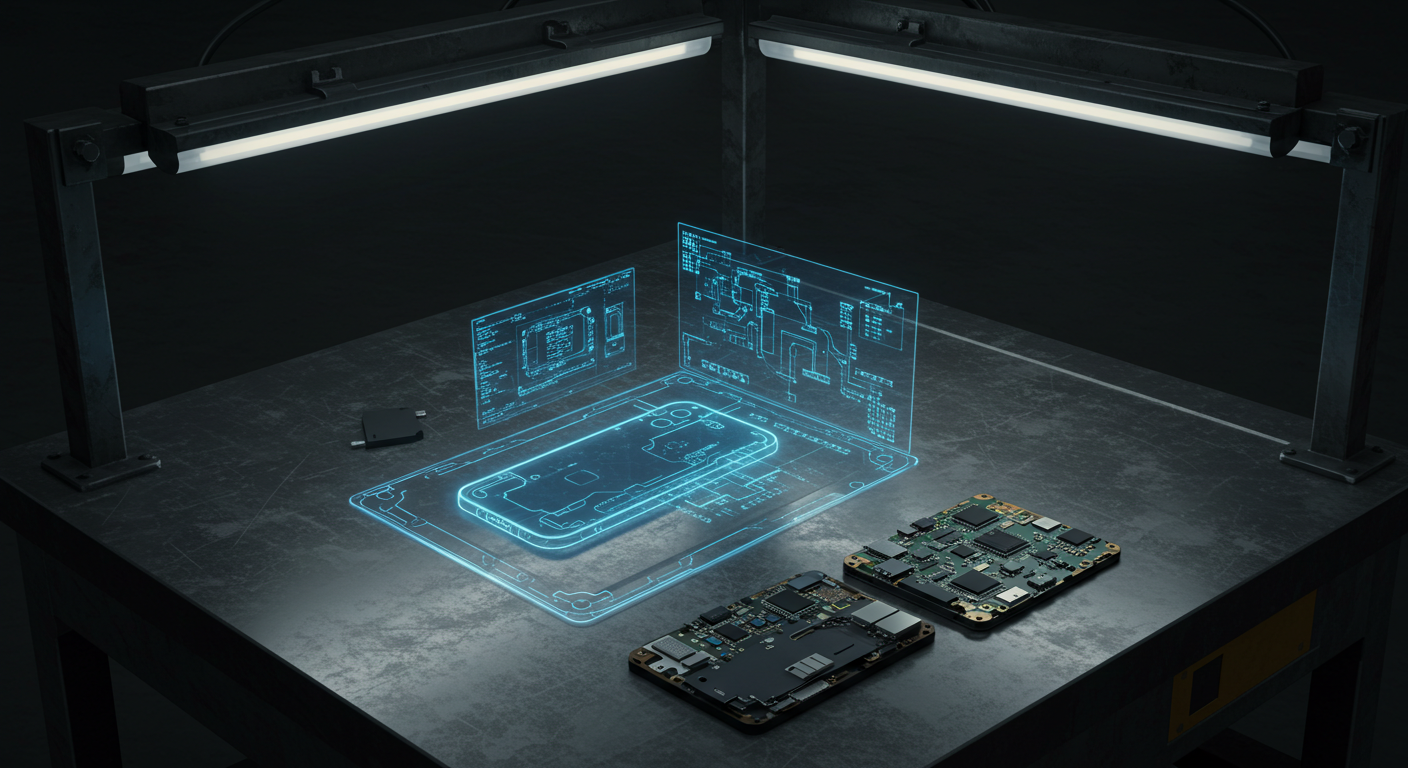
"LOL, So Funny": The Security Bug Exploit
If physical parts theft wasn't egregious enough, the complaint also names Chang Liu, a former senior system electrical engineer who worked on Apple’s most confidential product lines.
Apple alleges that upon leaving for OpenAI, Liu kept his company-issued MacBook and successfully discovered a major, previously unknown authentication vulnerability in Apple's cloud-based file storage. Despite no longer being an employee, Liu used this exploit to log back into Apple's internal networks, downloading over 1,000 pages of highly sensitive schematics and complex circuit board designs.
Perhaps most damning is the paper trail. Apple recovered text messages that Liu sent to an Apple employee he was actively recruiting for OpenAI. After realizing the network exploit worked, Liu texted:
"LOL, I found out I can access the [network storage], so funny."
Liu also reportedly coached this recruit on how to download massive design archives without triggering Apple’s internal cybersecurity alarms.
Stealing the Supply Chain
Because California courts famously reject non-compete agreements, Apple cannot legally stop talent from migrating to OpenAI. Consequently, Cupertino’s lawsuit focuses heavily on conduct—specifically, how OpenAI leveraged Apple's trusted manufacturing relationships.
The suit claims OpenAI successfully duplicated a proprietary, highly guarded metal-finishing technique used in high-end iPhones. They allegedly achieved this by approaching one of Apple's primary supply chain partners and misleading the manufacturer into believing Apple had authorized OpenAI to utilize the technique for its own upcoming devices.
What This Means for the Future of AI Devices
With this legal war, the battle lines for next-generation, agent-integrated hardware have been drawn. While OpenAI is attempting to build "ambient" consumer devices designed to bypass the traditional smartphone interface, Apple is fighting to protect the physical moat it spent decades constructing.
Apple is demanding a jury trial, monetary damages, and a strict court-ordered injunction that would force OpenAI to completely destroy all misappropriated materials and redesign its devices from scratch to omit any Apple-derived technology.
If Cupertino succeeds, OpenAI’s highly anticipated hardware ecosystem—slated for 2027—could face devastating, multi-year delays before even hitting the assembly line.
Tags
Grounded sources & citations
What to read next
The Humanoid IPO Race: Agility’s $2.5B Nasdaq SPAC vs. Unitree’s $5.9B STAR Market Debut

The Cost of the AI Race: Inside Microsoft's Massive 4,800 Layoffs and Radical Xbox Restructuring
HalluSquatting: How Hackers Exploit AI Coding Hallucinations to Build Agentic Botnets
Enjoyed this? Get the next one
Subscribe to the newsletter and the next playbook lands in your inbox — no spam, unsubscribe anytime.