Silicon Valley Shake-Up: Vision Pro Chief Paul Meade Defects to OpenAI
Apple's hardware division is in crisis as Paul Meade, the engineering mastermind behind the Vision Pro and upcoming smart glasses, jumps ship to OpenAI amid a controversial internal reorganization.

Silicon Valley Shake-Up: Vision Pro Chief Paul Meade Defects to OpenAI
A seismic shift is underway in the race for next-generation hardware. Apple’s long-standing Vice President of Hardware Engineering in the Vision Products Group (VPG), Paul Meade, is leaving the company next week to join OpenAI’s rapidly expanding hardware unit.
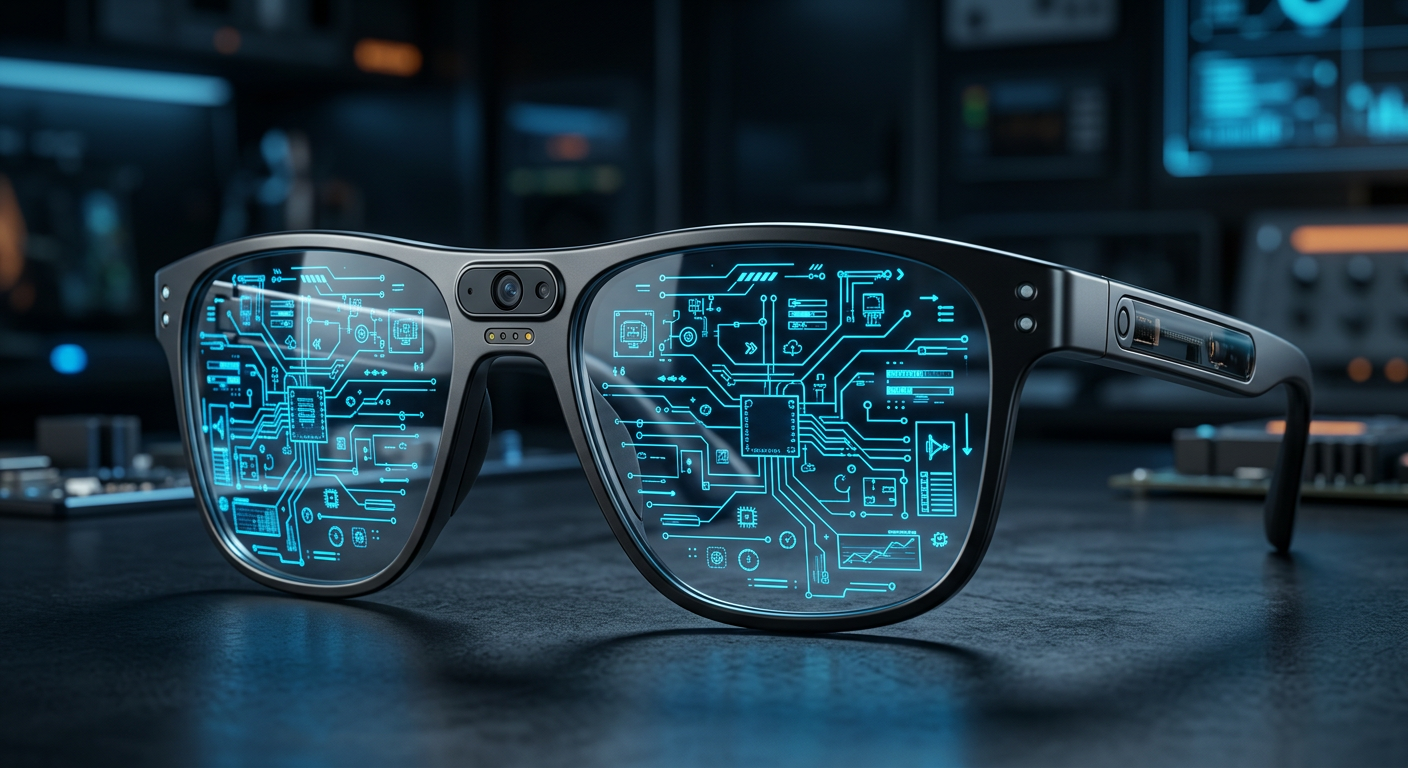
Meade is not just any executive; he has been the primary engineering mastermind guiding Apple's spatial computing efforts for seven years. Since joining the VPG in 2017, he orchestrated the complex hardware development behind the Apple Vision Pro and was actively leading Apple’s highly secretive, display-free AI smart glasses project designed to rival Meta.
The Catalysts Behind the Exit
Meade’s departure highlights mounting friction within Apple’s hardware division. Following John Ternus’ transition to CEO, chip architect Johny Srouji took over as Chief Hardware Officer and initiated an aggressive, highly controversial internal restructuring of the engineering unit.
Under Srouji’s new hierarchy, veteran hardware leaders saw their direct influence diluted. Meade and other long-term VPs were forced to report to Tom Marieb—a newly appointed intermediate VP of hardware engineering—rather than directly to Srouji. This added management layer triggered widespread frustration, prompting Meade to step down and accept a lucrative, high-profile offer from OpenAI.
OpenAI's Consumer Hardware Dream Takes Shape
OpenAI has made its physical product ambitions clear. While initially regarded as a pure software and model-building company, they have been quietly aggregating some of Apple’s most historic hardware talent.
Meade joins a hardware division that already boasts Apple design legends like Jony Ive, Tang Tan, and Evans Hankey—whose hardware startup was acquired by OpenAI for $6.5 billion last year. Unlike that trio's emphasis on industrial design, Meade brings something OpenAI desperately needs: direct, seasoned experience running the massive, complex supply-chain engineering required to manufacture cutting-edge mixed-reality and wearable hardware.
What Lies Ahead for Apple?
With Meade’s sudden exit, Fletcher Rothkopf, his longtime deputy in product design, will assume control of VPG’s hardware efforts. However, the timing is perilous. Apple’s smart glasses are in a critical phase of development, slated for a late 2027 launch.
Losing the engineering chief who defined Apple’s spatial roadmap threatens to derail these timelines. More importantly, it signals that the war for the future of consumer AI hardware is no longer being waged in Cupertino—it has moved directly to San Francisco.


Get the wire in your inbox
Every new signal, straight from the generator. No noise, unsubscribe anytime.