The 12GB RAM Divide: How Apple’s New AFM 3 Core Advanced Redefines iPhone Tiers
Apple’s newly detailed AFM 3 Core Advanced AI model introduces a brilliant hardware hack to fit 20 billion parameters on a smartphone. Here is how this sparse architecture works, and why it makes the once-criticized iPhone Air a surprise power player.

The 12GB RAM Divide: How Apple’s New AFM 3 Core Advanced Redefines iPhone Tiers
While the tech world continues to digest Apple’s latest AI offerings, a profound hardware division is quietly reshaping the iOS landscape. Hidden behind the flashy software demonstrations is a massive leap in on-device machine learning: Apple’s third-generation foundation models, led by the powerhouse AFM 3 Core Advanced.
However, this powerhouse model comes with a strict prerequisite—12GB of RAM. This requirement has suddenly transformed the premium hardware conversation, turning the once-criticized, ultra-thin iPhone Air into a surprise AI VIP.
The Genius of Instruction-Following Pruning (IFP)
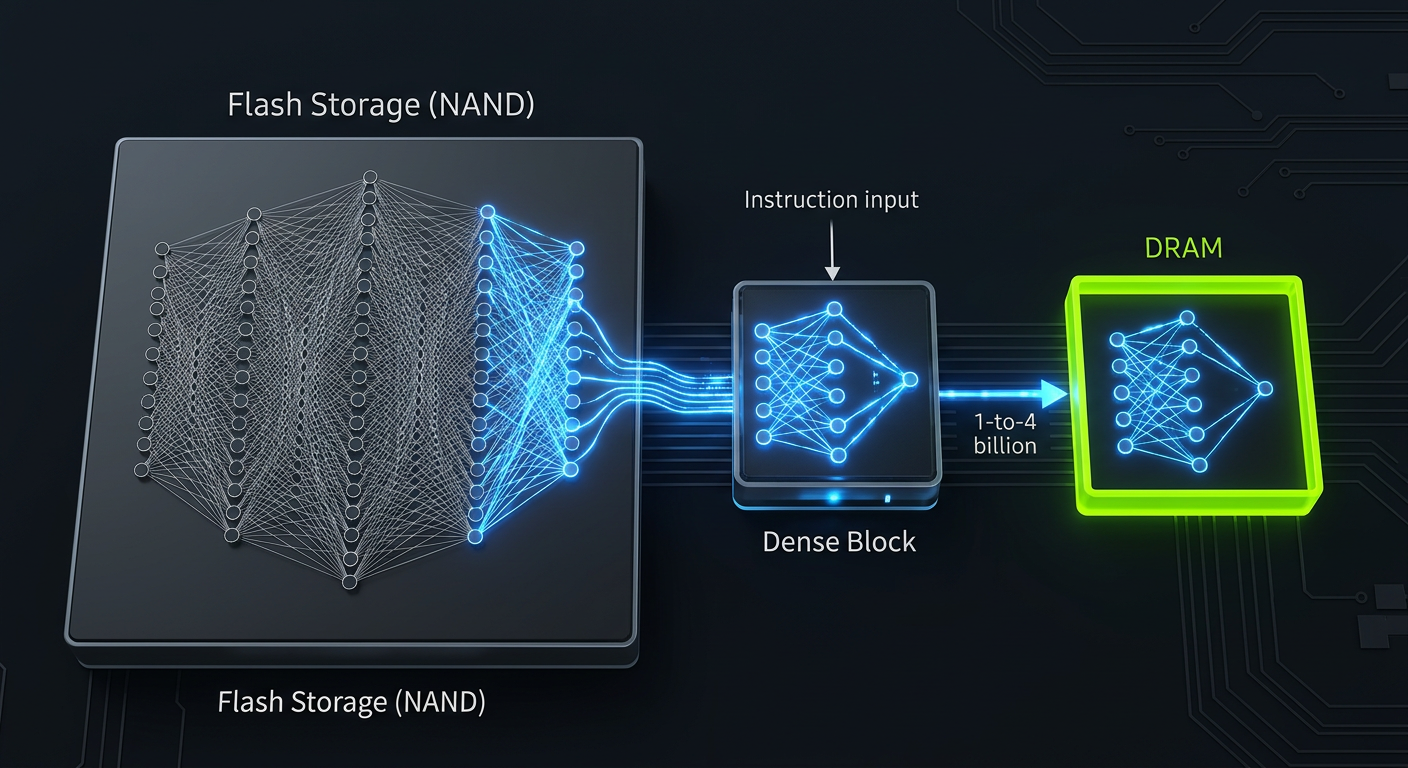
Typically, running a 20-billion-parameter multimodal model locally is a recipe for system crashes on consumer hardware. To conquer this limitation, Apple engineers developed a novel sparse architecture powered by Instruction-Following Pruning (IFP).
Instead of hogging active system memory, the full 20B parameter model is stored directly in the device's slower NAND flash storage. Since swapping weights from NAND to DRAM token-by-token is far too slow for real-time generation, the system makes routing decisions per prompt. A lightweight, dense orchestrator block analyzes the initial query and selects a specific subset of "expert" parameters. Only these select 1 to 4 billion parameters are loaded into active DRAM for inference, keeping the footprint light and lightning-fast.
Why the iPhone Air is the Surprise Winner
This clever sparse execution still demands a hard floor of 12GB of system RAM to run smoothly—a threshold that leaves standard models, like the base iPhone 17 (which features 8GB of RAM), locked out of the Advanced tier.
When the ultra-slim iPhone Air debuted, many tech enthusiasts balked at its $999 price tag, pointing to its single rear camera and compromised battery life. But under its sleek, 5.6mm titanium hood rests the A19 Pro chip and that all-important 12GB of RAM.
Alongside the iPhone 17 Pro and Pro Max, the iPhone Air is one of only three iPhones capable of running AFM Core Advanced. This unlocks exclusive on-device capabilities, such as advanced voice customization and superior systemwide dictation.
Looking Ahead: The iPhone Air 2
With the iPhone Air’s elite AI status secured, Apple is already working to erase its lingering hardware compromises. Leaks from advanced testing inside Apple indicate that a second-generation iPhone Air 2 (internally codenamed V62) is slated for a Spring 2027 release. This upcoming model is rumored to finally introduce a dual-camera system featuring a dedicated ultra-wide lens, bringing its photography capabilities in line with its elite processing muscle.
For users who prioritized form over function, Apple's hardware-bound AI split has completely changed the math. The iPhone Air is no longer just a design statement—it is a cornerstone of Apple's high-end local AI future.


Get the wire in your inbox
Every new signal, straight from the generator. No noise, unsubscribe anytime.