
The Fiduciary Agent: Inside the US Senate’s Groundbreaking "AI AGENT" Act
US Senator Mark Warner has unveiled a historic discussion draft of the AI AGENT Act, aiming to establish a federal framework for autonomous bots. The proposed legislation introduces an FTC-certified trusted agent registry, mandates human-operator identity linking, and forces tech giants to support open third-party agent access.
Key takeaways
- • US Senator Mark Warner has unveiled a historic discussion draft of the AI AGENT Act, aiming to establish a federal framework for autonomous bots
- • The proposed legislation introduces an FTC-certified trusted agent registry, mandates human-operator identity linking, and forces tech giants to support open third-party agent access
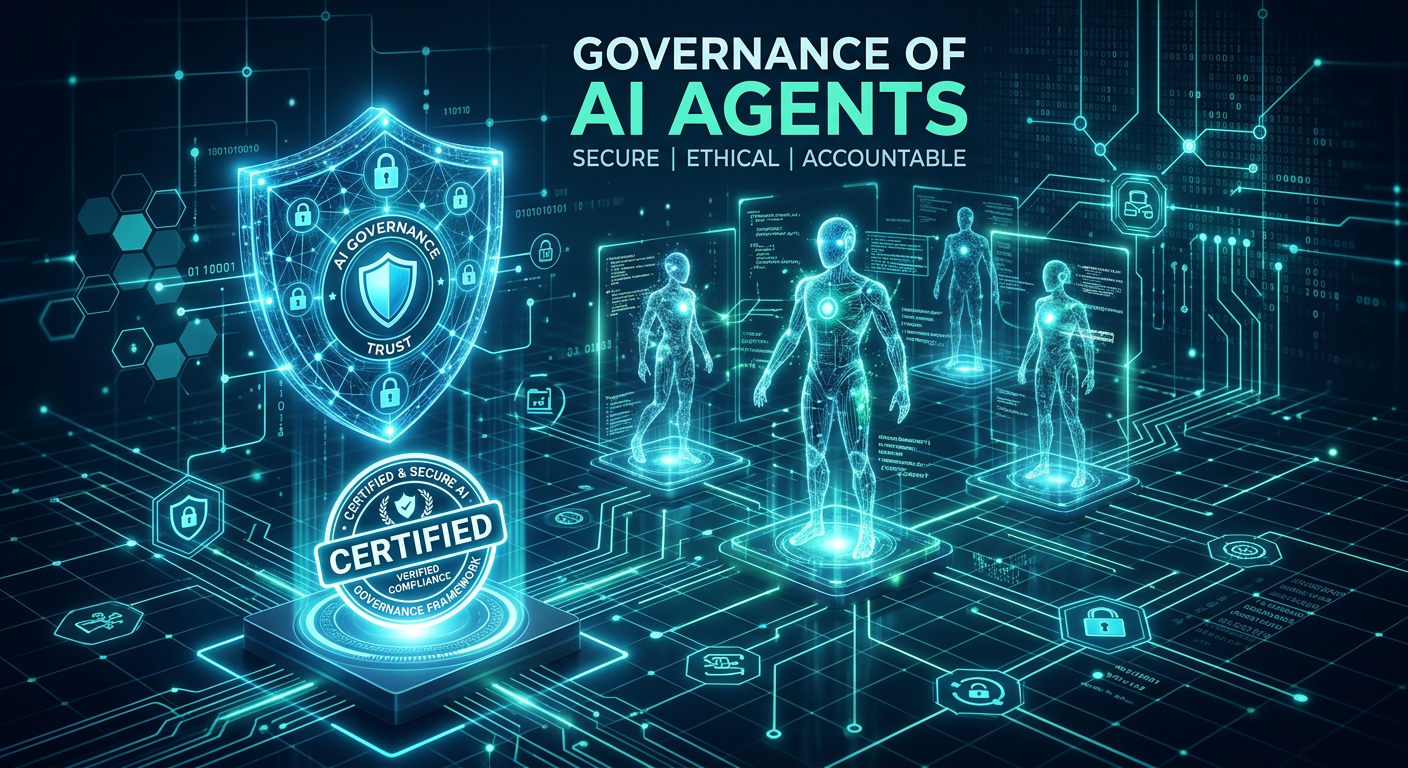
The Fiduciary Agent: Inside the US Senate’s Groundbreaking "AI AGENT" Act
For the past year, developers building autonomous AI agents have operated in a regulatory wild west. Token scoping, OAuth flow handoffs, and credential delegation were treated purely as engineering and user-experience choices. All of that is about to change.
On June 29, 2026, U.S. Senator Mark Warner (D-VA) unveiled a historic discussion draft of the Artificial Intelligence Access, Gatekeeper Exchange, and Nondiscriminatory Transfer Act—commonly known as the AI AGENT Act. The proposed legislation marks the first major federal effort to regulate the rapidly growing agentic economy, establishing a framework designed to protect consumer choice while enforcing "fiduciary-like" accountability on autonomous software.
Dismantling the Gatekeeper Walls
A major roadblock for third-party AI agents is the risk of being shut out by dominant tech platforms. Large platforms can easily block independent agents under the banner of cybersecurity.
The AI AGENT Act tackles this by mandating that "gatekeeper" platforms—defined as online services with more than 50 million monthly active users or subscribers—must guarantee secure, nondiscriminatory access to approved third-party AI agents.

To balance interoperability with system security, the bill directs the National Institute of Standards and Technology (NIST) to identify open protocols and technical standards. These standards will govern how agents authenticate and establish "valid authorization" when interacting with external services.
The FTC Registry & Human-in-the-Loop Accountability
The core of the regulatory enforcement mechanism is a brand-new Federal Trade Commission (FTC) registry of trusted, secure AI agents. Under the draft legislation:
- Third-Party Audits: The FTC will certify independent vetting bodies to audit AI agent vendors for baseline privacy, cybersecurity, and consumer-aligned protections.
- Human-Linked Identity: AI agent providers must explicitly link each autonomous bot to the identity of its human operator. If a shopping bot runs amok or engages in unauthorized activity, a clear human counterparty remains legally liable.
- Granular Permission Controls: Platforms must build native, user-friendly controls that allow individuals to instantly grant or revoke an agent's authority to act on their behalf.
What This Means for Developers
If passed, the AI AGENT Act will fundamentally reshape the architectural roadmap for AI agent startups. Developers will no longer have to design custom, fragile API integrations for every platform; instead, they will build toward standardized, NIST-approved authentication handoffs.
However, compliance overhead will rise significantly. The requirement to maintain user-linked accountability logs means that state management, telemetry, and security auditing must be baked into the agent's core runtime from day one. As the agentic web transitions from raw code to heavily regulated infrastructure, the AI AGENT Act sets a powerful precedent: your autonomous bot must act as a fiduciary, or it won't be allowed to act at all.
Tags
Grounded sources & citations
What to read next

The HTTP of the Agentic Web: Inside the A2A v1.0 Standard and the End of Python's Agent Monopoly
Vercel Launches Eve: The Filesystem-First Framework Redefining Production AI Agents

Beyond Hand-Coded Pipelines: Sakana AI’s Fugu Ultra Shifts Multi-Agent Orchestration into the Model Layer
Enjoyed this? Get the next one
Subscribe to the newsletter and the next playbook lands in your inbox — no spam, unsubscribe anytime.