
The Battle Over Geopolitics in Web3: Inside Internet Computer’s Rejected "G20 Subnet" Proposal
A deep dive into Internet Computer’s controversial NNS Proposal 140026, which aimed to establish a high-security, geopolitically bound G20 Subnet. We explore the technology, the compliance goals, and why the community ultimately rejected it.
Key takeaways
- • A deep dive into Internet Computer’s controversial NNS Proposal 140026, which aimed to establish a high-security, geopolitically bound G20 Subnet
- • We explore the technology, the compliance goals, and why the community ultimately rejected it
The Battle Over Geopolitics in Web3: Inside Internet Computer’s Rejected "G20 Subnet" Proposal
As Web3 pushes deeper into enterprise adoption, the clash between borderless code and real-world borders has never been more prominent. This tension recently took center stage on the Internet Computer (ICP) network, sparking a fierce debate over a landmark initiative: NNS Proposal 140026, the proposed "G20 Subnet."
Though ultimately rejected by the Network Nervous System (NNS), the proposal represents a fascinating milestone in blockchain history—and a blueprint for how networks might navigate global regulations in the future.
What Was the G20 Subnet?
In ICP architecture, the network is partitioned into independent blockchains called subnets, which run smart contracts (canisters).
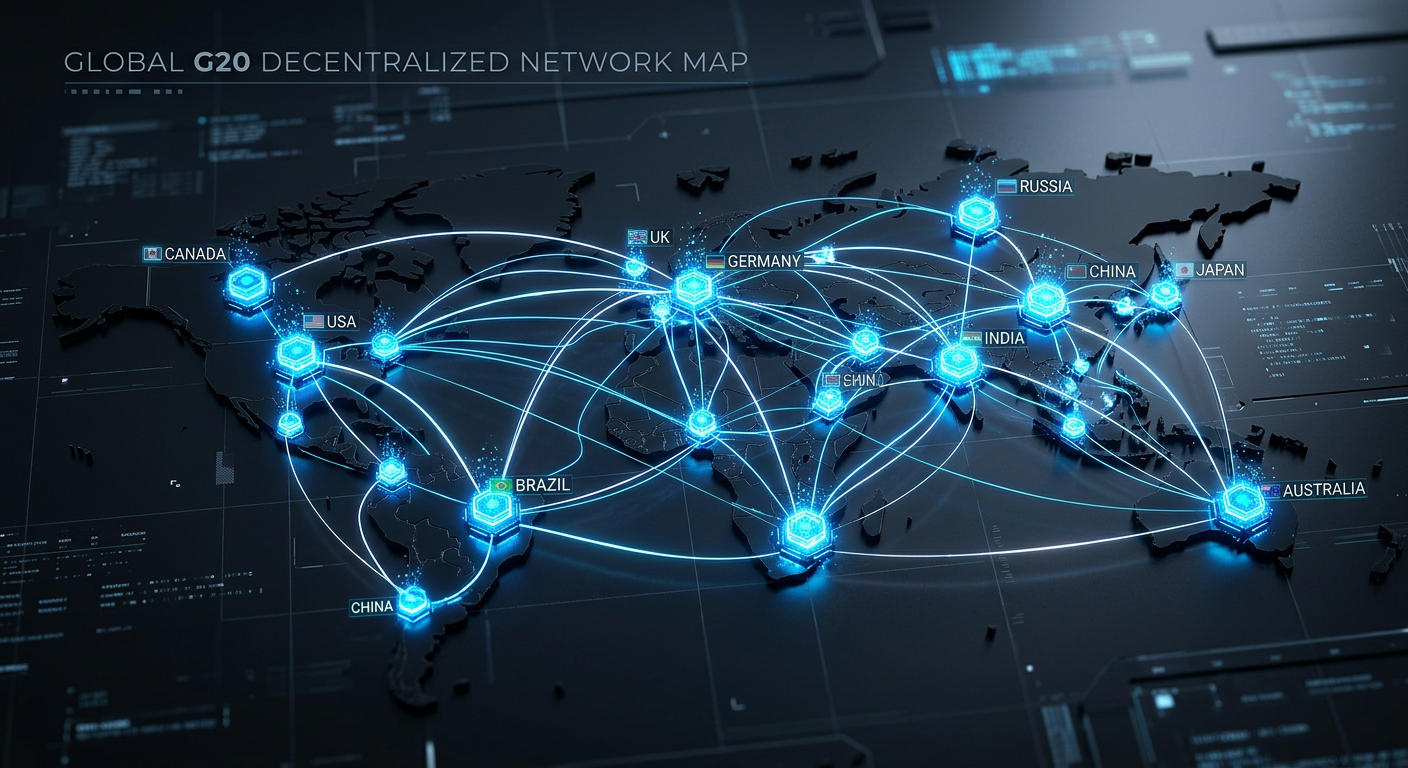
The G20 Subnet was proposed as a specialized, "globally credible default production environment" composed entirely of Gen-2, encryption-ready hardware nodes. These nodes were to be physically located exclusively within G20 member jurisdictions—such as the United States, Japan, Canada, South Korea, India, and the United Kingdom.
The primary goal of this grouping was to achieve a standardized, high-security baseline. By utilizing Gen-2 hardware, the subnet would support hardware-assisted memory encryption, offering a level of physical security and privacy necessary for regulated, high-value enterprise applications like cross-border payments and fintech.
De-risking Compliance for Enterprises
For developers building enterprise-grade software on public sovereign clouds, explaining how and where user data is processed is a massive regulatory hurdle. Currently, developers must explain and justify the physical topology of the nodes running their canisters on a case-by-case basis.
The G20 Subnet aimed to bypass this headache. Because the G20 jurisdictions collectively represent roughly 85% of global GDP, a dedicated subnet within these countries would have offered:
- Explicit Jurisdictional Diversity: Built-in geographic distribution that mitigates the risk of a single country's regulatory changes disrupting the entire application.
- Standardized Compliance: A ready-made deployment environment that satisfies institutional compliance departments by design.
The Clash of Philosophies: Why the NNS Voted "No"
Despite its technical promises, the community-led NNS rejected Proposal 140026. The rejection was fueled by deep architectural and philosophical concerns voiced on the DFINITY Developer Forum:
1. Geopolitical Fragility
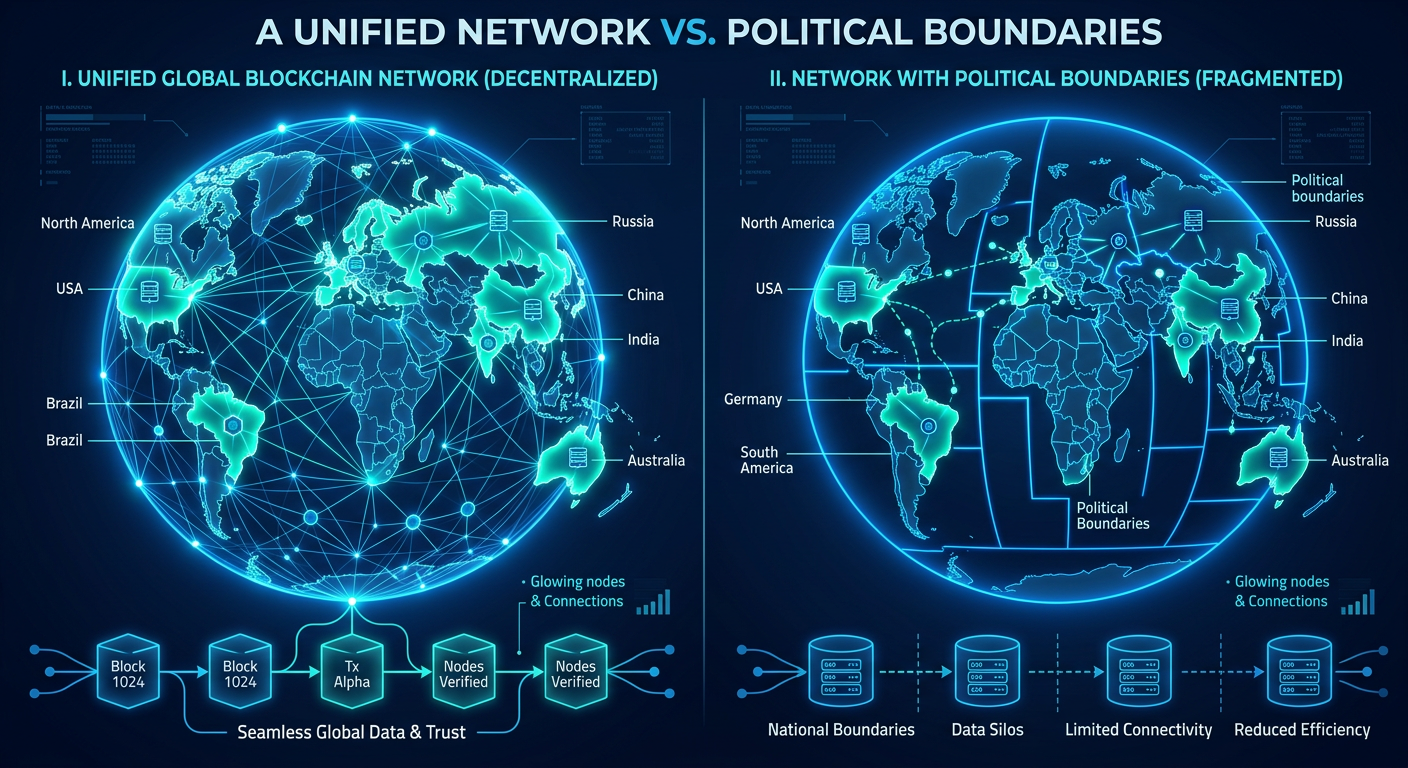
While the G20 represents massive economic power, its member states are often in direct geopolitical conflict (e.g., the US, Russia, and China). Voters pointed out that hosting a high-security, cooperative subnet across nations with highly volatile international relations was a recipe for consensus stalls or localized node confiscation.
2. The Danger of Political Boundaries
Selecting nodes based on political alliances (like the G20) contradicts the core Web3 ethos of nation-agnostic decentralization. Many argued that dividing the global public ledger into geopolitical cliques sets a dangerous precedent, running counter to ICP's identity as a borderless World Computer.
A Glimpse into the Future of Sovereign Clouds
The rejection of the G20 Subnet highlights a crucial reality: decentralization is as much about geopolitics as it is about cryptography. While hyper-local, compliant subnets (like the approved Swiss Subnet) have found favor, broader political alignments remain highly controversial in the Web3 space.
Even in rejection, Proposal 140026 has paved the way for an ongoing, essential dialogue on how decentralized networks can co-exist with a fragmenting geopolitical landscape.
Tags
Grounded sources & citations
What to read next

The "Friday the 13th" Bug: Inside the ckBTC Double-Minting Postmortem

The Double-Time Shift: Why Internet Computer's Internet Identity is Moving to a Twice-Weekly Release Cadence
Inside the "Tiered Canister Economy": The Bold New Proposal to Reshape Internet Computer Tokenomics
Enjoyed this? Get the next one
Subscribe to the newsletter and the next playbook lands in your inbox — no spam, unsubscribe anytime.