
The Polite Fiction is Dead: Inside Oracle’s Historic SEC Filing Blaming AI for 21,000 Layoffs
In a landmark regulatory filing, Oracle explicitly cited the "adoption and deployment of AI" as a direct cause for its 21,000-worker layoff wave in fiscal 2026. The disclosure marks the first time a major tech giant has legally admitted to replacing humans with artificial intelligence under SEC scrutiny.
Key takeaways
- • In a landmark regulatory filing, Oracle explicitly cited the "adoption and deployment of AI" as a direct cause for its 21,000-worker layoff wave in fiscal 2026
- • The disclosure marks the first time a major tech giant has legally admitted to replacing humans with artificial intelligence under SEC scrutiny
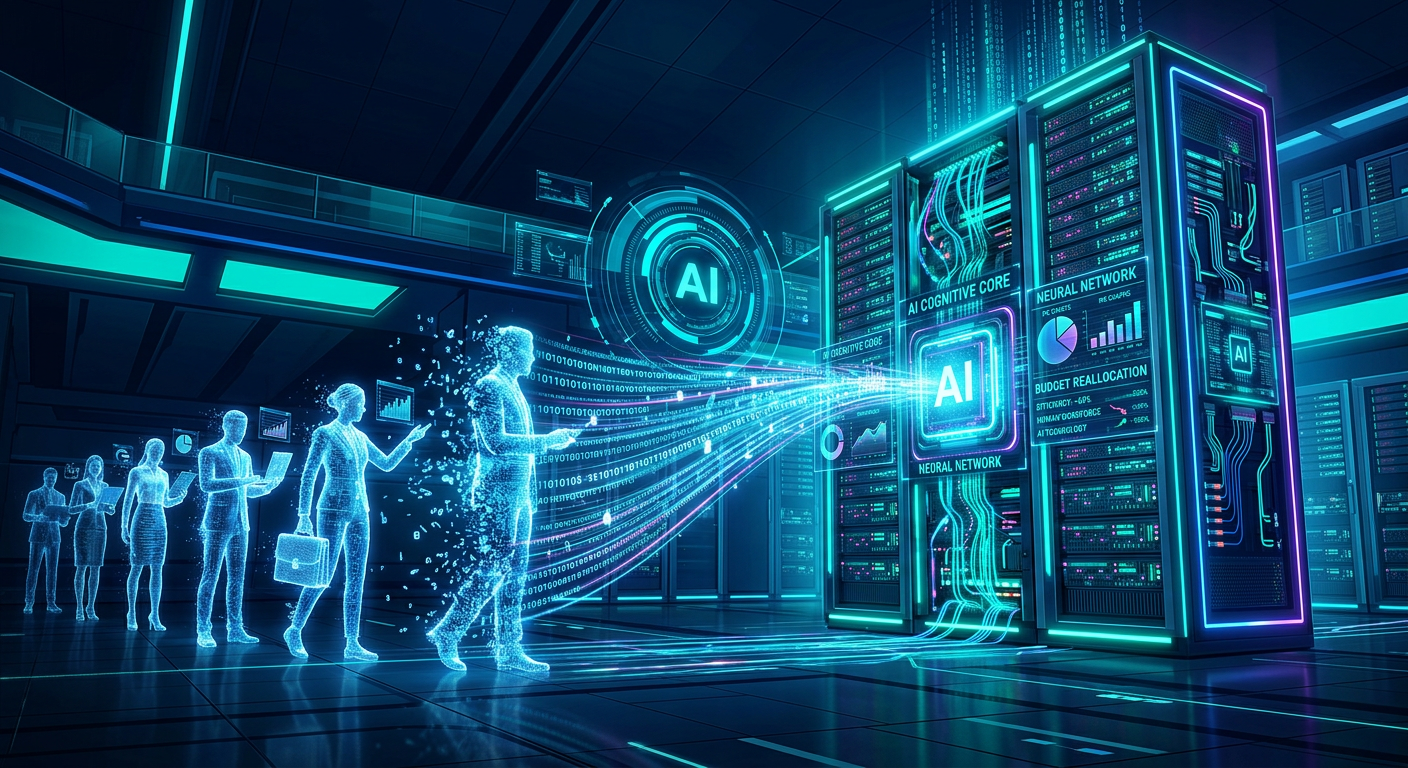
The Polite Fiction is Dead: Inside Oracle’s Historic SEC Filing Blaming AI for 21,000 Layoffs
For years, the technology sector has maintained a polite, carefully choreographed narrative around layoffs. When thousands of workers are let go, executives routinely blame "macroeconomic headwinds," "pandemic-era overhiring," or "organizational streamlining". They describe artificial intelligence as a collaborative tool designed to "augment" human workers, not replace them.
On June 22, 2026, Oracle shattered that collective euphemism.
In its annual Form 10-K filing with the U.S. Securities and Exchange Commission (SEC), the enterprise database and cloud giant revealed it had eliminated roughly 21,000 jobs—almost 13% of its global workforce—over the past year. But it wasn't the sheer scale of the cuts that sent shockwaves through Silicon Valley; it was the stunning candor of the legal disclosure.
The Words That Changed the Labor Debate
For the first time in the history of major enterprise technology, a trillion-dollar company has explicitly told regulators that human roles are being systematically traded for artificial intelligence.
Tucked inside the routine risk factors of its annual report, Oracle’s lawyers wrote:
"The adoption and deployment of AI technologies across our operations have resulted, and may continue to result, in reductions to our workforce."
By putting this admission into a legally binding SEC document, Oracle has bypassed the carefully managed public relations scripts of earnings calls. Under penalty of perjury, the message is clear: AI is no longer just a productivity booster. It is a direct workforce replacement.

Where the Axe Fell
According to market estimates, the restructuring hit hardest in areas where automated systems could easily take the wheel.
- Oracle Health: The deepest cuts hit Oracle’s healthcare division, built on its $28.3 billion acquisition of Cerner. An estimated 8,000 to 10,000 employees were let go.
- Legacy SaaS & Revenue Teams: Traditional sales and software-as-a-service (SaaS) divisions experienced headcount losses of up to 30%.
- Database Administration: Oracle has begun automating entire database management workflows. In one internal team, a workload previously managed by 47 database administrators was successfully migrated to automated AI agents, supervised by just three senior architects.
The GPU-for-Human Trade
The financial math behind the transition is stark. Oracle’s global payroll fell from 162,000 to 141,000 employees, incurring $1.84 billion in severance and restructuring costs.
At the same exact time, the company’s capital expenditures skyrocketed by 162% to an astronomical $55.7 billion. Virtually every dollar of that increase went toward building massive AI cloud infrastructure and acquiring cutting-edge GPUs to feed a ballooning backlog of AI contracts—including a massive partnership with OpenAI.
While other tech firms like Snap, Cisco, and Cloudflare have quietly cited AI-driven restructurings in 2026, Oracle’s formal regulatory filing ends the era of plausible deniability. The structural shift from payroll to computing power is no longer a future prediction—it is officially in writing.
Tags
Grounded sources & citations
What to read next

The $35B AI XPV Alliance: How Private Credit and Custom Silicon Are Bypassing Nvidia

No More Hand-Me-Downs: How Microsoft’s MAI-Thinking-1 Kills the OpenAI Dependency
GPT-5.6 Unveiled: OpenAI Launches Sol, Terra, and Luna Under U.S. Government Review
Enjoyed this? Get the next one
Subscribe to the newsletter and the next playbook lands in your inbox — no spam, unsubscribe anytime.